
Commercial airlines are under a lot of stress these days due to a variety of challenges, and one of them is the increasing threat of drones. A single unauthorized consumer drone flying near the airfield might sound like a minor nuisance, but a hobbyist drone colliding with a jet engine or cockpit window can cause catastrophic structural failures. Especially in high-density civil aviation, even a brief sighting can freeze air traffic, cost millions in delays, and compromise thousands of lives. Then what's the solution to this? Well, to tackle the challenge of commercial and recreational drones and safeguard shared airspaces, counter UAS systems can be an incredible idea. Curious how these systems maintain airspace deconfliction and ensure on-time performance? Read on.
Significance of Drone Safety at Airports
Airports fall in the group of critical infrastructure because they operate in highly controlled environments where every aircraft movement is carefully coordinated, and even a small recreational drone entering restricted airspace can create uncertainty for air traffic controllers as well as airport authorities. The situation with drones at airports is so grave that even a minor sighting can lead to temporary runway closures, flight diversions, and inspection procedures that can incur massive operational costs.
How Modern Detection Systems Work?
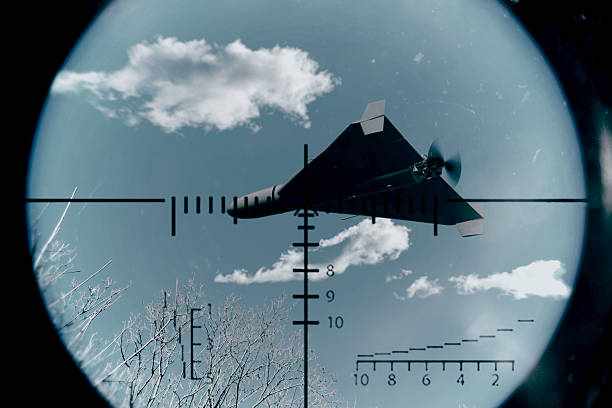
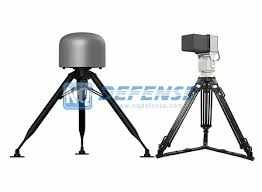
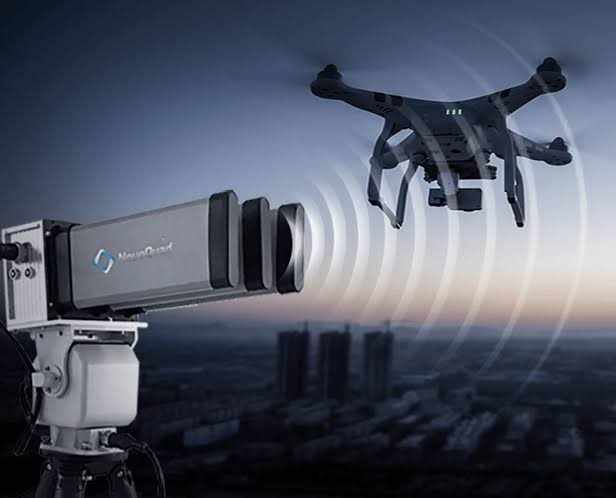
Today's counter drone solutions combine multiple advanced technologies capable of monitoring airport surroundings continuously. Rather than relying on a single sensor, they integrate radio frequency (RF) monitoring, optical UAV tracking cameras, acoustic sensors, and UAV detection radar that can provide accurate identification of flying objects.
Once an object is detected, the modern drone detection system analyzes its speed, altitude, direction, and behavior. Besides, the command and control software integrated into C-UAS systems helps distinguish drones from birds or other airborne objects, which reduces false alarms and allows operators to respond quickly.
Smarter Airport Operations
Because airports are packed with sensitive communication and navigation frequencies, safety teams rely on highly precise, localized mitigation systems, as the goal is always to disrupt the rogue drone safely, forcing it to land or return to its origin point without interfering with critical aviation frequencies. Airports equipped with effective radar drone detection facilities benefit from smoother operations, as security teams gain real-time situational awareness and early detection, enabling them to verify potential threats before they interfere with aircraft movement or passenger services.
In addition, modern anti-drone systems for airport drone detection can integrate with existing surveillance infrastructure, allowing operators to monitor all critical areas from a centralized command and control platform, improving response times while minimizing unnecessary operational disruptions.
Conclusion
As the usage of drones continues to grow across commercial and recreational sectors, airports are now adopting countermeasures against drones to prioritize public safety and uninterrupted travel. The scale of the issue is highlighted by comprehensive civil aviation data: an academic review of incident records published in the Journal of Aerospace Technology and Management revealed that up to 80% of civil drone incidents are driven by human factors, such as inadequate flight planning or untrained hobbyists flying blindly into restricted airspaces.
By building an invisible, high-tech perimeter, airports can ensure that human error on the outside does not translate into disaster on the inside, which can keep civil aviation operations safe and uninterrupted.


Write a comment ...