
A few years ago, spotting a drone in the sky was an unusual and exciting affair, but today, an unidentified drone flying over a sensitive facility, industrial site, or public event can trigger immediate security concerns, and it’s not as unusual as it was a few years back. The reason behind this is simple: while drones have revolutionized industries like photography, agriculture, surveying, and logistics, they have also introduced entirely new security risks, which have called for the need for an anti-drone system.
From unauthorized surveillance to smuggling and disruption of critical infrastructure, drones are now being widely misused because they have become affordable, easy to operate, and difficult to detect. However, the question now is no longer whether authorized organizations should prepare for drone threats; it’s how they can stay one step ahead. So, without further ado, let’s take a close look at the common drone threats and how the right drone detection radar system can help to dodge them.
A Brief Overview of the Most Common Drone Threats
Every drone isn’t a risk, but sensitive airspaces need to identify suspicious activity before it escalates, and to do that, here are some ideas about some of the most common drone-related threats that most authorized organizations face today:
Drone Threat
Potential Impact
Industries at Risk
Unauthorized Surveillance
Theft of confidential information and privacy
Corporate offices, government facilities, research centers
Airspace Intrusion
Disruption of aircraft operations and flight safety
Airports, aviation
Critical Infrastructure Disruption
Operational downtime and service interruptions
Power plants, oil and gas, utilities
Event Disruption
Public safety concerns and crowd panic
Stadiums, concerts, public gatherings
Why the Threat of Unauthorized Drones Is Increasing?
Modern commercial drones are equipped with high-resolution cameras, GPS navigation, autonomous flight capabilities, and long-range communication systems. While these features make drones incredibly useful for legitimate purposes, they also make them attractive for perpetrators to snoop in for their unauthorized activities.
Besides, unlike conventional security threats, drones can approach an establishment from almost any direction, fly over physical barriers, and complete their mission within minutes, which makes it extremely challenging for conventional surveillance systems and security teams to detect these compact, fast-moving aerial devices.
This is why, as drone technology continues to evolve, authorized organizations need the aid of a dedicated anti-drone company to address aerial threats instead of relying entirely on traditional perimeter security.
How Do Anti-Drone Systems Prevent These Threats?
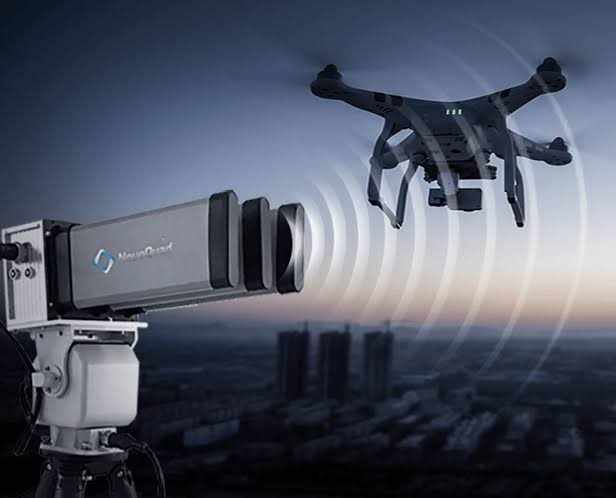
An anti-drone system can detect, identify, track, and respond to unauthorized drones before they become a security incident. Modern systems can analyze flight patterns, speed, altitude, and communication signals to distinguish between authorized and suspicious drone activity, and this minimizes unnecessary responses while ensuring genuine risks receive immediate attention.
In addition, once a drone is identified, the anti-drone system continuously monitors its location and flight path, and this real-time tracking helps security personnel understand the drone’s intent, predict its trajectory, and coordinate an effective response.
Conclusion
The truth is, drone technology is going to become even more advanced now, which means they would bring new security challenges along with opportunities. This is why it has become imperative for airports, industrial facilities, government buildings, as well as correctional facilities, to deploy radar for drone detection and anti-drone systems to safeguard sensitive spaces in today’s connected world.
Write a comment ...